Get in touch

We'd love to hear from you.

Feel free to contact us on 08000 025 889 or by emailing hello@barleycommunications.co.uk

Book in a Barley comms clinic

As part of Barley’s ongoing commitment to support organisations that are making a positive change in the world, we offer a free comms clinic.

We’re here to provide advice and a confidential sounding board to help you navigate your communications challenges. Share your details below to book a session with Barley’s senior communications experts.

Contact Sheet Form ('25)
Areas of interest for discussion
I have read the Privacy Policy and consent to be contacted by Barley Communications

Barley Communications has won Marketing/Advertising Campaign of the Year at the UK Green Business Awards 2026 for our Fight Fly-tipping Fortnight campaign with Keep Britain Tidy.

We also received a highly commended award in the same category for our work launching Oceana UK’s Deep Declinereport and were shortlisted for Communications Agency of the Year, recognising the breadth of our work across the environment, sustainability and climate sectors.

The judges described the Fight Fly-tipping Fortnight campaign as “hugely impactful”, praising its ability to raise the profile of fly-tipping through an integrated communications campaign that combined national media engagement, digital communications and stakeholder partnerships. They also recognised its success in engaging businesses on their legal responsibilities and helping to move the issue higher up the political agenda.

The recognition comes just weeks after we were named Consultancy of the Year at the Better Society Awards, making 2026 a landmark year as we celebrate our tenth anniversary.

Over the past decade, we have had the privilege of supporting organisations across the environmental, sustainability and climate sectors to communicate complex issues clearly, engage audiences effectively and drive meaningful change. These awards are a reflection of the brilliant clients, partners and collaborators we have worked alongside during that time, and we are grateful for their continued trust and ambition.

Our award-winning Fight Fly-tipping Fortnight campaign helped tackle one of the root causes of fly-tipping by encouraging householders to check that anyone removing their waste was a licensed waste carrier. Through an integrated programme of behaviour change communications, media relations, stakeholder engagement and digital activity, we helped raise awareness of individual responsibility while supporting wider efforts to reduce environmental crime.

Our work with Oceana UK on the launch of the Deep Decline report was also recognised by the judges. The campaign raised awareness of the scale and impact of overfishing in UK waters, engaging government, retailers and the public while strengthening calls for better protection of UK seas.

As we look ahead to the next chapter, we remain focused on helping organisations navigate change, build trust and tell compelling stories that inspire action. Whether supporting behaviour change campaigns, launching major research or helping organisations influence policy and public debate, we are committed to delivering communications that create lasting impact.

If you would like to find out more about our work with Keep Britain Tidy, Oceana UK and other organisations driving positive environmental change, or discuss an upcoming communications, PR, brand or marketing project, we would be delighted to hear from you.

by Laura Harrison, head of sustainability, Barley Communications

It’s World Environment Day and it’s almost exactly ten years since we launched Barley’s first environmental campaign, a couple of months after Barley was conceived. Happy Birthday to us! We were teeny tiny when we started (a handful of us sitting round the table wanting to change the world) but our drive for doing good was gargantuan. It’s been an exhilarating ride….

Our first campaign was for Hubbub, a fabulous charity also in its infancy at the time.  Our task was to get Londoners to think twice about buying bagged salad.  Polling data concluded that a million bags of salad were thrown away each week in London in the summer. The topic was a hard sell to media but nevertheless we landed some great coverage including the Evening Standard. Environmental stories were fairly tricky to land in 2016. But something seemed to shift in 2017-2019. Coffee cup recycling, river pollution, plastic litter, air pollution, fast fashion – these topics started gaining traction and mainstream media suddenly couldn’t get enough environmental stories. “Finally people are waking up to the crisis, they want to take action,” I thought. It was quite a relief.

Then Brexit happened. Then COVID hit. Aside from some remarkable stories on the reduction in carbon emissions from the quiet streets and blank skies, the world and its media had (understandably) more immediate issues to cover. The environment got sidelined and I’m not sure it ever really got back on the playing field in the same way. The bottom fell out of the reuse movement – who wanted to risk getting covid from a fork or coffee cup? New policies and legislation got delayed and delayed.  Environmental issues became increasingly politicised and sucked into the culture wars. It divided people and this was reflected in how the media covered (or actively avoided) environmental stories. Some talented environmental editors and writers lost their jobs and the demand for content on how consumers can take environmental action tailed off. 

Despite the challenging landscape we continue to land stories and engage audiences with our campaigns; shining a light on micro-fibres, river pollution, peat-free compost, recycling contamination, e-waste, fly-tipping and over-fishing to name but a few. We’ve often chosen to pivot, using cost-savings and local pride to draw in our audiences rather than the environment which is sometimes a topic they’re less likely to engage with.

The media and digital landscape has shifted so much over these ten years. We now make use of many more channels to reach and influence people. Inspiring individuals and organisations are using social media platforms to challenge, call out, shine a light on the ludicrous, igniting important discussions and prompting e-petitions and community action. 

Something else is shifting too. More and more people are beginning to experience the impacts of climate change. The floods, the heatwaves, the failed crops. This should be a catalyst for action. And maybe that action is now more focused on resilience and adaptation rather than prevention. Because climate change is already here. The media could play a key role in informing and educating people and I do hope we see the same kind of enthusiasm that we did back in the 2017-2019 “sweet spot” I mentioned previously.

 Barley will continue to advocate passionately for the natural world and the fight against climate change. We are privileged to work with some brilliant environmental charities, public bodies and councils and have some really exciting and impactful work lined up over the coming months. 

As we plan our birthday celebrations ten years on, we’re putting the finishing touches to a creative campaign for ReLondon to get more Londoners recycling the food they can’t eat. I do wonder how much salad Londoners are still throwing away?

We are delighted to have been named Consultancy of the Year at the Better Society Awards 2026, making this the second consecutive year we have received the award.

The judges recognised our evidence-led approach to communications and our ability to help charities, public bodies and purpose-driven organisations translate complex social and environmental issues into clear, accessible and impactful public engagement.

As a certified B Corp consultancy, we specialise in sustainability, social impact and environmental communications, working exclusively on projects where communications can contribute meaningfully to positive change. Over the past year, we have continued to expand our strategic consultancy offer, helping organisations strengthen messaging, demonstrate impact and build public trust.

The judges were particularly impressed by our ability to combine measurable communications performance with genuine societal impact, highlighting our work translating complex evidence into communications that improve understanding, influence behaviour and support informed public debate.

Among the projects recognised was our work with Oceana UK on the launch of Deep Decline, a major scientific report examining the environmental impact of overfishing in UK waters. By helping translate complex scientific evidence into clear, accurate and compelling communications, the campaign generated extensive national and international media coverage while maintaining the integrity of the research.

The award also recognised our wider work supporting organisations including Hubbub, Nordoff and Robbins, Keep Britain Tidy and National Trading Standards.

The Better Society Awards celebrate organisations and partnerships making a positive contribution to society through responsible business and impactful communications. We are incredibly proud to see our team, clients and partners recognised once again for the role strategic communications can play in creating meaningful social and environmental change.

Barley Communications has been shortlisted for five CIPR Excellence Awards, recognising the impact of its work across environmental, public sector and behaviour change campaigns.

The shortlist includes:
Public Sector Campaign – Fighting AI cloning scams with National Trading Standards
Environmental Campaign – Deep Decline: communicating the impact of overfishing with Oceana UK
Environmental Campaign – Fight Fly-tipping Fortnight – #RubbishDeal with Keep Britain Tidy

Alongside campaign recognition, Barley has also been shortlisted for long term client care, as well as specialist consultancy of the year, bringing the total to five nominations.

The CIPR Excellence Awards are widely regarded as the benchmark for the profession, celebrating campaigns that deliver measurable impact and build trust with audiences. For us, this year’s shortlist is particularly significant as we mark our tenth anniversary.

While the campaign nominations reflect creativity and results, we’re particularly proud of the recognition for long term client care, which speaks to something deeper. Barley was founded on the principle that effective communications is built over time and we love that our clients view us as an extension of their teams. Long-standing partnerships allow strategies to evolve, messages to sharpen, and stakeholder trust to grow.

Our 2025 client survey shows 100 per cent of clients would recommend Barley, with an average satisfaction score of 4.6 out of 5. Two-thirds of clients rate their experience as excellent, and half have worked with us for more than five years .

This is underpinned by four defining elements.

A clear planning framework ensures communications are always aligned to organisational priorities. Barley’s IMPACT model connects activity to outcomes, keeping delivery focused and measurable.

Team stability provides continuity. Clients work with consistent senior teams who understand their organisations in depth, strengthening both strategic advice and day-to-day delivery.

A flexible model allows support to scale. A core team is complemented by specialist expertise, ensuring the right resource is in place as needs evolve.

Values alignment shapes every partnership. Barley works with organisations where there is shared purpose, building relationships based on trust and mutual understanding.

More on Barley’s approach can be found here.

As Barley enters its second decade, the shortlist recognises both the impact of its campaigns and the strength of the relationships behind them.

Winners will be announced later this year.

Fraud is now the most frequently reported crime in the UK, and all of us are exposed to harm. Online scams and impersonations affect people of all ages, incomes and backgrounds. Criminals use automated tools, AI and spoofed identities to reach people at scale – and the international and organised nature of the criminality means prosecutions aren’t easy. 

This isn’t a fringe problem. It’s a national public protection issue hiding in plain sight.

The recent and, frankly, scandalous Grok episode, which saw people’s images manipulated in disturbing ways, underlines a familiar challenge that is a focus for today’s Safer Internet day: emerging technology evolves faster than public understanding and legislation. What looks like innovation one week can quickly become a flashpoint for trust the next. For us, that reinforces a clear belief: online safety cannot be an afterthought. Prevention has to be built in from the start – and communicated clearly, early and often.

At Barley, we see behaviour change communications as a form of infrastructure. If people don’t understand the risk, or don’t see themselves in it, they won’t act, which in turn keeps demand high and allows criminality to persist. 

If the harm is too distant, behaviour won’t change

Barley works with partners tackling this reality head-on. Alongside organisations like National Trading Standards, we support work that monitors and investigates a broad range of online crimes – from misleading ‘copycat’ websites and subscription traps to shopping fraud and the sale of illegal products – while helping consumers make safer choices.

We’ve also worked with the Intellectual Property Office, where online harm is often less visible but no less serious. Counterfeit and illicit goods traded online don’t just undermine businesses and innovation; they expose consumers to dangerous products and fund organised crime. When intellectual property crime feels abstract, demand persists. When its real-world consequences are made clear, behaviour starts to shift.

This link between online activity and offline harm runs through much of our work. Illicit tobacco and underage knife sales promoted through digital channels don’t stay online – they show up on high streets, in school playgrounds and in local communities. Our role as communicators is to tackle demand, while enforcement partners disrupt supply. To do that effectively, the harm has to feel close, credible and real. If it’s too distant, behaviour won’t change.

That urgency is reflected in the growing public conversation around AI-enabled fraud. Just last week, we were at MediaCity in Salford with National Trading Standards for an interview on BBC Breakfast, discussing new AI tactics being used by criminals to set up direct debits in their name.  Before the interview one of the presenters – Charlie Stayt – mentioned to our spokesperson how more and more consumer protection issues are being covered by national media. The fact these issues are now being explored on national breakfast television is telling: online fraud is no longer a niche or technical concern – it’s a mainstream risk affecting everyday lives.

Prevention as a driver for changing social norms

The rise of sophisticated, AI-enabled fraud is also driving innovation in prevention. One emerging example is Falkin, a UK-based digital safety start-up we supported last year, whose tools embed scam detection directly into banking and fintech apps – flagging risky links, requests and messages before payments are made.

This kind of proactive intervention reflects a shift we strongly support: moving away from passive warnings and towards intercepting harm at the moment of persuasion. It’s about designing safety into systems, not relying on people to spot increasingly convincing deception on their own.

Through our communications work, we’ve consistently challenged the idea that fraud is an inevitable cost of digital life. It isn’t. With the right combination of technology, enforcement and communication, it’s a solvable public protection challenge.

Beyond age limits: a national conversation on regulation

Politically, the UK is grappling with how to translate growing concern into effective policy. Proposals to restrict social media access for younger people have gained traction, bringing questions of responsibility, enforcement and unintended consequences into the mainstream.

Later this month, The Stationers’ and Newspapers’ Company and The London Press Club will host an event asking a deceptively simple question: should youngsters be banned from social media? As ever, the answer is likely to be complex. Online harms affect people of all ages, and regulation will need to balance protection, freedom and practicality.

Whatever the policy direction, communication will be critical – helping people understand not just what decisions are being made, but why, and how they reduce real-world harm.

Communications to tackle demand

Safer Internet Day should be a launchpad, not a once-a-year reminder. In our view, the strongest defence against online harm sits at the intersection of supply (tackled by enforcement) and demand (tackled by behaviour change and public awareness campaigns).

At Barley, we’re committed to helping partners translate complex risks into clear, actionable messages that resonate with people’s real lives. 

The latest quarterly newsletter from the European Association for Cardio-Thoracic Surgery (EACTS) has been published, bringing news, insights and updates to the cardiothoracic surgical community across Europe and around the world. 

This edition of EACTS News is released ahead of a landmark anniversary year for EACTS, marking four decades of supporting education, research and innovation in cardiothoracic surgery. It features a spotlight on Rafa Sádaba, the association’s 40th President, highlighting his vision for the year ahead and the priorities shaping the future of the specialty.

Published quarterly, EACTS News provides important updates from across the association and the wider field, helping to keep members and the cardiothoracic community informed and connected throughout the year.

Read here

The brief

CIWM is a membership organisation working towards a world beyond waste. As momentum grows around the circular economy, CIWM wanted to strengthen its leadership role by actively supporting innovation across the sector.
CIWM launched its first Circular Economy Innovators Fund to help six start-ups fast-track their communications, marketing and design. Barley was appointed to support both the launch of the fund and the delivery of tailored communications support for each successful business — demonstrating how strategic communications can accelerate growth, visibility and impact for early-stage circular economy innovators.

Insights and approach

The fund brought together six very different organisations, operating across fashion, packaging, electronics, construction and materials innovation. Our challenge was to move quickly, while ensuring each business received support that was genuinely relevant to its needs, audiences and ambitions.
We began with a strong strategic grounding, running workshops with each innovator to understand their proposition, challenges and opportunities. This audience-first approach ensured messaging was focused, credible and designed to drive action — whether that meant media engagement, customer sign-ups, event attendance or behaviour change.
From there, we developed bespoke communications plans and delivered high-quality content across channels, including press releases, leadership commentary, social media assets and brand video. Alongside delivery, we provided ongoing counsel to help teams make the most of their new assets and build confidence in using communications as a tool for growth beyond the six-month support period.

Results

Barley delivered tailored communications support for all six innovators, helping them sharpen their stories, raise their profiles and build momentum at critical points in their development.

The work resulted in widespread media coverage, significant growth in social media audiences, increased commercial traction and successful product and brand launches. At the same time, CIWM strengthened its position as a forward-thinking, practical membership organisation with a clear role in supporting the next generation of circular economy leaders.The Circular Economy Innovators Fund also exceeded expectations at launch, attracting strong interest from across the UK and Ireland and reinforcing CIWM’s credibility as a champion of innovation within the waste and resources sector.

60+

funding applications received

45

pieces of media coverage secured across packaging, environment, fashion and business titles

175m

opportunities to see

100s

of new followers across LinkedIn, Instagram and Facebook, with some channels increasing by over 70%

The ‘Fast-Track Communications for Circular Economy Innovators’ project was a major high-profile initiative for CIWM, and the selection of the right creative communications partner to work with the innovators was absolutely crucial to its success. Throughout the project, Barley’s professionalism, approach, enthusiasm, insight, and communications were exemplary. The team proved themselves to be true partners in the initiative, really getting to know and understand the unique requirements of each innovator, and tailoring flexible support programs which delivered significant comms ‘wins’ for them. I would have no hesitation in recommending Barley to anybody looking for excellence in PR, engagement, and communication.

Richard Hudson MCIWM

Chartered Resource & Waste Manager, CIWM

The brief

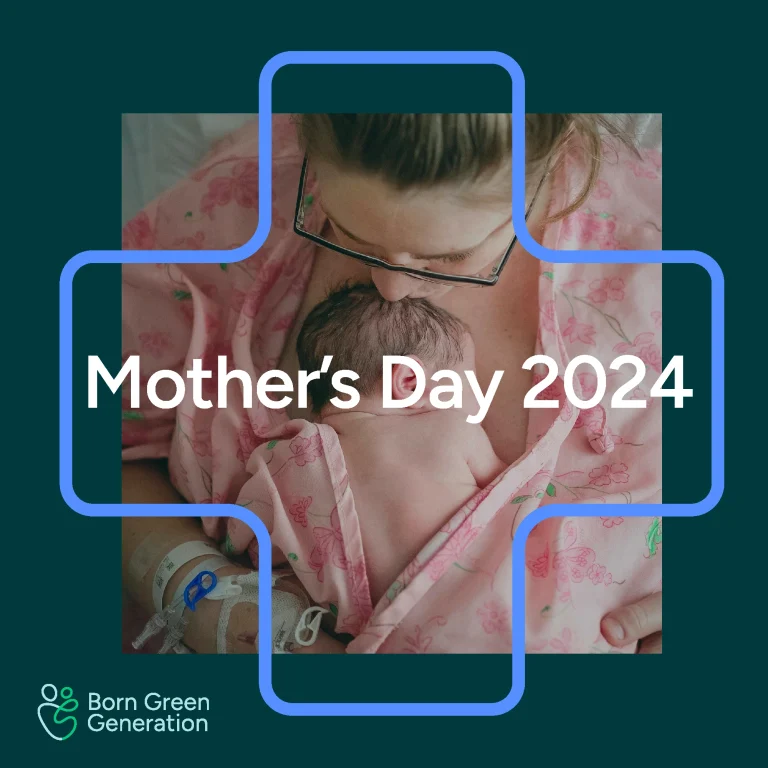
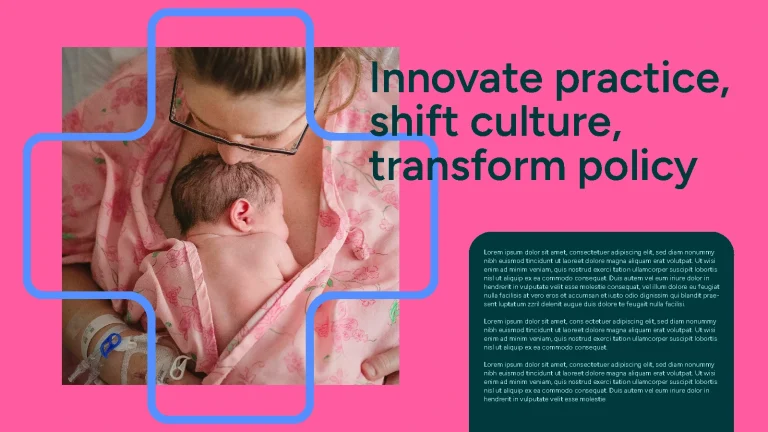
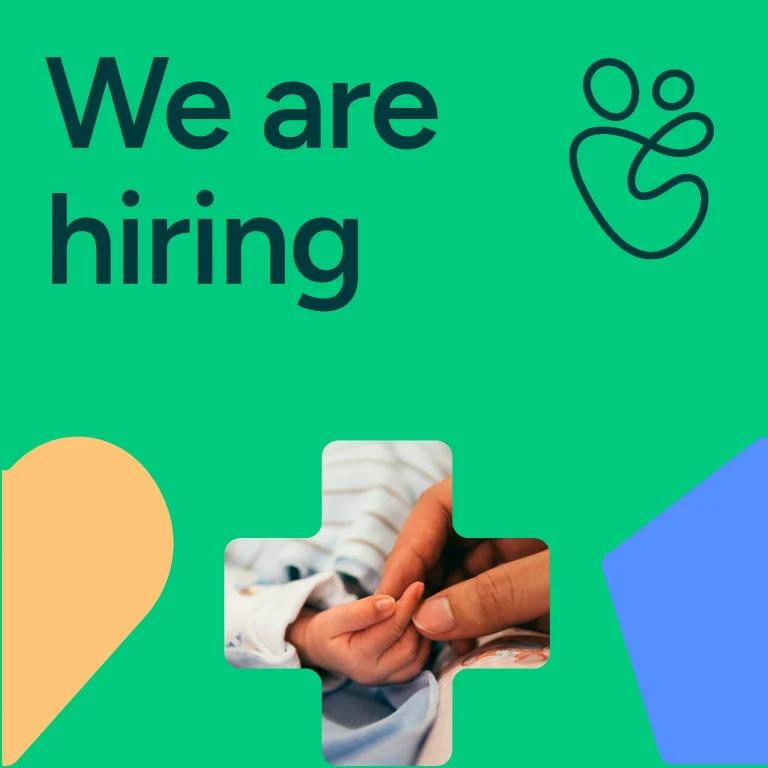
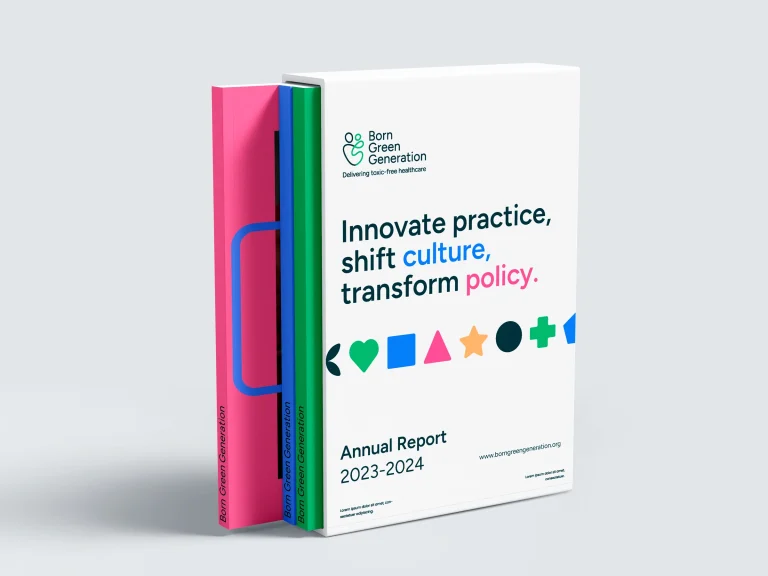
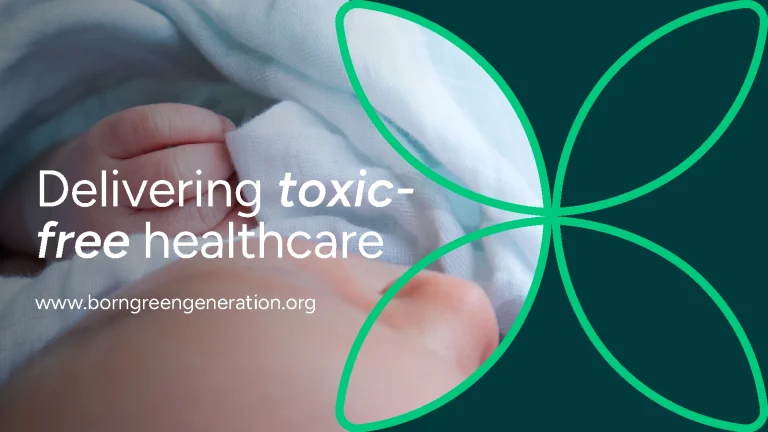
Health Care Without Harm Europe appointed us as their creative communications partner to deliver the brand creation and supporting materials for Born Green Generation, a new global initiative aiming to protect current and future generations from the harmful effects of plastics and chemicals in healthcare. Alongside the brand development, we were asked to design a three-year, multi-channel communications strategy that would bring the movement to life. The brand needed to feel approachable and accessible while inspiring behaviour change in clinical environments — an ambitious task for a programme designed to be as enduring as anti-smoking campaigns.

Insights and approach

Our work began with a full immersion phase to shape both the brand and the long-term communications strategy. Through research, landscape audits, analysis, workshops and extensive stakeholder interviews, we built a clear understanding of the initiative’s potential and its constraints.

Key insights guided our approach:

  • We needed to lead with healthcare messaging rather than environmental framing.
  • Babies had to sit at the heart of the narrative and visual identity.
  • The movement should feel positive, achievable and solutions-focused — not overwhelming.

These insights led us to define creative territories that could work across different countries, hospitals and audiences, while remaining rooted in the movement’s mission.

Results

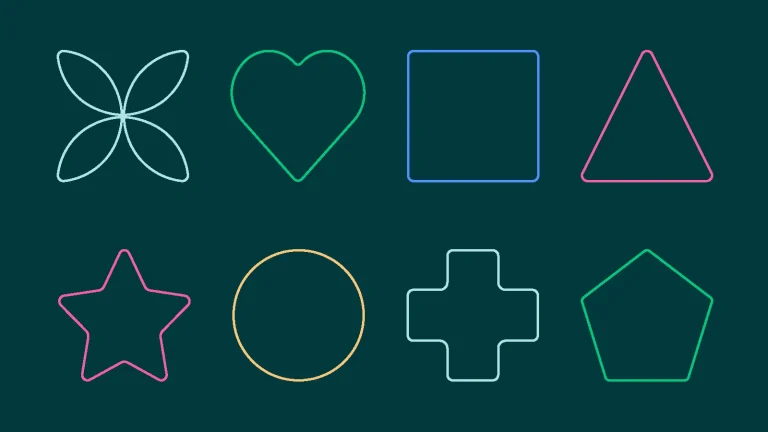
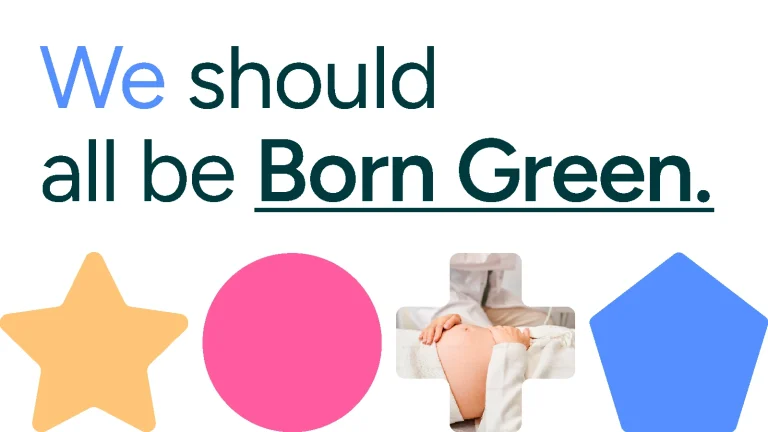
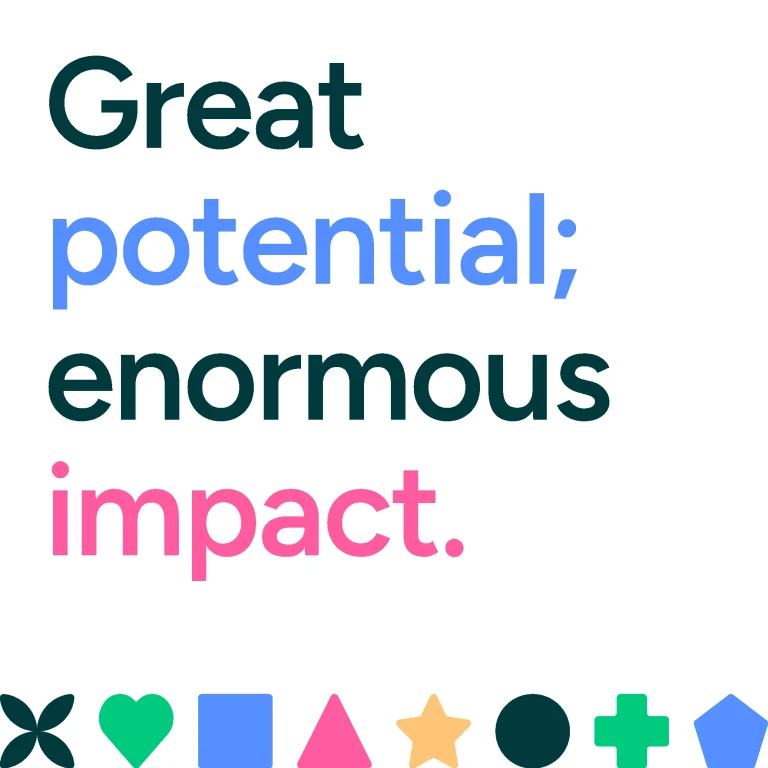
From this work, a clear creative direction emerged: Born Green Generation: Great potential, enormous impact. This territory balanced the scale of the problem with the hopeful, human focus of the initiative.The new visual identity centres on a continuous-line logo depicting a parent and child — a simple, emotive symbol of protection and care. To resonate with healthcare professionals today and parents tomorrow, we developed a bright, flexible visual system inspired by the textures and shapes of wooden children’s toys. It is warm, adaptable and intentionally playful, ensuring the brand can grow with the movement as it expands globally.

As the primary contact for the Barley team at HCWH Europe, I worked closely with them to create the brand for our Born Green Generation initiative—a global, multifaceted project with diverse objectives, stakeholders, and target audiences. The project’s scope was complex, yet Barley quickly established a clear plan, allowing us to tackle challenges one by one. Their process was smooth and fully adapted to our evolving needs, especially as our team’s capacity unexpectedly decreased during development. I particularly appreciated Barley’s flexibility, like their ability to quickly onboard new experts whenever we needed additional support.
After several months of using the brand and now nearing the launch of our full website, I couldn’t be prouder of what we’ve created together. The positive feedback regarding the brand has been incredible for now; one of our funders even said, ‘It just feels good to look at it,’ and some midwives commented that the BGG logo could practically be a tattoo for them—what a victory!

Romain Libaud

Communications Officer – HCWH Europe

A new outreach programme by the European Association for Cardio-Thoracic Surgery (EACTS) is set to improve outcomes for heart patients in underserved regions by advancing education initiatives.

Read the full story in Cardiovascular News

European Association for Cardio-Thoracic Surgery Immediate Past President, Professor Franca Melfi, spoke with Cardiovascular News about EACTS’ commitment to a diverse and inclusive membership, and EACTS’ work to promote more innovation within cardiothoracic surgery.

In a wide-ranging interview, Professor Melfi spoke about the importance of:

  • EACTS’ Innovation Hub in advancing research and supporting young innovators
  • Championing diversity through EACTS initiatives like the Women in Cardio-Thoracic Surgery (WiCTS) Committee
  • Advocating for equality and opportunities in underrepresented regions.

Read the full article here.

We’re at the cusp of a whole bunch of awards celebrations and we have plenty to celebrate!  We’re thrilled to have been shortlisted for multiple awards for our innovative communications solutions. Of course, the pride and glory of awards are always enjoyable, but more than anything, we’re pleased with what this recognition says about our work.

Having judged many awards ourselves, we know that creativity, innovation and impact are what’s needed to make an award entry stand out from the crowd. At Barley, we blend strategy, creativity, expertise and passion into social purpose communications that deliver real impact for our clients.

Here’s a snapshot of the work we’ve been shortlisted for:

Rebranding a charity for ETP

To mark a new era for ETP, we designed a bold visual identity that unifies perspectives, clarifies the organisation’s message and charts a course for the future. We developed a new website that’s been shortlisted for Best Website or App at the Memcom Excellence Awards and Best Marketing Initiative or Project at the Association Excellence Awards.

Membership organisation, EACTS

The European Association for Cardio-Thoracic Surgery (EACTS) – a 4,000+ membership organisation for the cardiothoracic surgical community that aims to improve outcomes for heart and lung patients around the world – has been shortlisted for Best In-Person Event of the Year at the Memcom Excellence Awards.

The shortlist for EACTS is for the 37th EACTS Annual Meeting which took place in Vienna in 2023 – and we’re proud to support EACTS to deliver the flagship event. At Barley, our work includes managing organic and paid social media to drive over 5,000 participants to the event, publishing a daily newspaper over the four-day event and working with Go Forth Films to produce a daily highlights video. Barley is again supporting EACTS with this year’s Annual Meeting, which is being held in Lisbon from 9-12 October.

Environmental behaviour change campaign for Keep Britain Tidy

Based on eye-opening data about people’s buying habits, we created and delivered a topical campaign across digital and social platforms, setting our audience the task of buying nothing new for a month. This one is up for Behaviour Change Campaign of the Year at the Global Glood Awards and the Education, Training and Communication Award at the National Sustainability Awards.

Charity communications for Nordoff and Robbins

We’re shortlisted for PR Team of the Year at the Charity Times Awards for our strategic approach to media relations for the inaugural Northern Music Awards – helping Nordoff and Robbins raise their profile, raise funds and demonstrate the impact of their life-changing work as the UK largest provider of music therapy.

Local authority communications for Suffolk Waste Partnership

Our #ShakeItOut campaign to reduce recycling contamination has made a lasting impact, resonating with Suffolk households through eye-catching creative across multiple communications channels. This standout campaign of this year’s awards has so far been shortlisted a whopping eight times.

And there’s more! In addition to our client work, Barley has also been shortlisted for several agency awards, including the Women in Green Business Awards and the Association Excellence Awards.

This recognition is true testament to the dedication, imagination and enthusiasm our team brings to every project. And we’re ever appreciative of our marvellous clients for choosing Barley to deliver across a wide range of their communications needs.

Bring on the celebrations!

The brief

The European Association for Cardio-Thoracic Surgery (EACTS) represents the global cardiothoracic surgical community. As the organisation embarked on a new five-year strategy, it recognised the need for support from a branding agency to reflect its evolving role and ambitions.Working closely with EACTS colleagues, we were asked to create a brand architecture that would simplify its growing portfolio of sub-brands while strengthening the overall identity. The goal was to position EACTS as a progressive, inclusive and innovative organisation — one that champions excellence in patient outcomes and community collaboration.

Insights and approach

Our work began with a deep immersion into EACTS’s world. We interviewed and surveyed members, employees and Council members, combining insight with strategic analysis. Through workshops and landscape research, we identified opportunities to align the brand’s purpose, values and visual identity with its new strategy.

We developed three creative territories:

  • Tweaks – modernising core brand elements while maintaining scientific credibility.
  • Evolution – emphasising EACTS’s educational role with an academic tone.
  • Revolution – a bold, consumer-facing approach symbolising innovation.

This process revealed that the new brand needed to be forward-looking yet authentic — evolving rather than reinventing — to inspire pride across the EACTS community.

Results

The final brand is built around a clear new vision and purpose:
Better skills, better surgery, better patient outcomes.

The refreshed identity unites the heart and lung communities through a logo that balances precision and collaboration — sharp, clean lines echo surgical tools, while ECG-inspired textures and a renewed colour palette connect to EACTS’s heritage.Together, the new design and messaging system future-proof the organisation and reflect EACTS’s role as a trusted, global leader in cardiothoracic surgery.

Want to chat?
Feel free to contact our team.